Now this is interesting. The Last Screenwriter is a movie made from a script written by ChatGPT-4. I'd like to tell you more, but knee-jerk hysteria (or so we're told) meant that the planned screening in London was cancelled. Too bad, as the filmmakers explain on their website that it was made as a non-profit experiment.
I'm curious about the use of generative AI in writing, art, and other fields. I suspect it won't lead to mass unemployment but instead will be a useful tool that creatives will collaborate with to improve their work -- much as desktop publishing has led to an explosion in the number of books. Hmm, given the quality of books these days maybe that's not such a great example.
Some people gripe (well, scream) that AI is stealing from existing authors and artists. Mostly that's a misunderstanding of how the models are trained. Yes, they look at millions of images to learn the way a picture is put together. Contrary to the belief of the pitchfork-bearers heading up to the baron's castle, the generative AI models don't record each individual image and reproduce it. It's more like how human artists and writers learn their craft.
For example, when I was a kid I'd often notice that my favourite comic book artists were having their panels "borrowed" by less well-known artists. The character poses you'd see in British comics in the early '70s (strips such as The Steel Claw in Valiant) had appeared in US comic books a few months earlier. But even among those Marvel & DC artists there was cross-pollination. Barry Windsor Smith famously started out drawing Jack Kirby pastiches and later went Pre-Raphaelite. Dan Adkins was famous for lifting poses from other artists. Writers too: H.P. Lovecraft began by imitating the style of Lord Dunsany. Dunsany was influenced by the King James Bible. Robert Bloch started out copying Lovecraft, and so the cycle continued.
In the comics I made at school I emulated the art styles of Bernie Wrightson and Barry Windsor Smith; when I wrote my early stories I was following patterns picked up from Robert E Howard, Stan Lee, Roy Thomas, August Derleth, and others. This is how we've always learned -- and it's a much more targeted kind of swiping than the generative AI is doing. The AIs don't play favourites, which is why (now that you can no longer specify "in the style of" in the prompts) their art output tends to look like the soulless photorealistic fantasy paintings you see on DeviantArt.
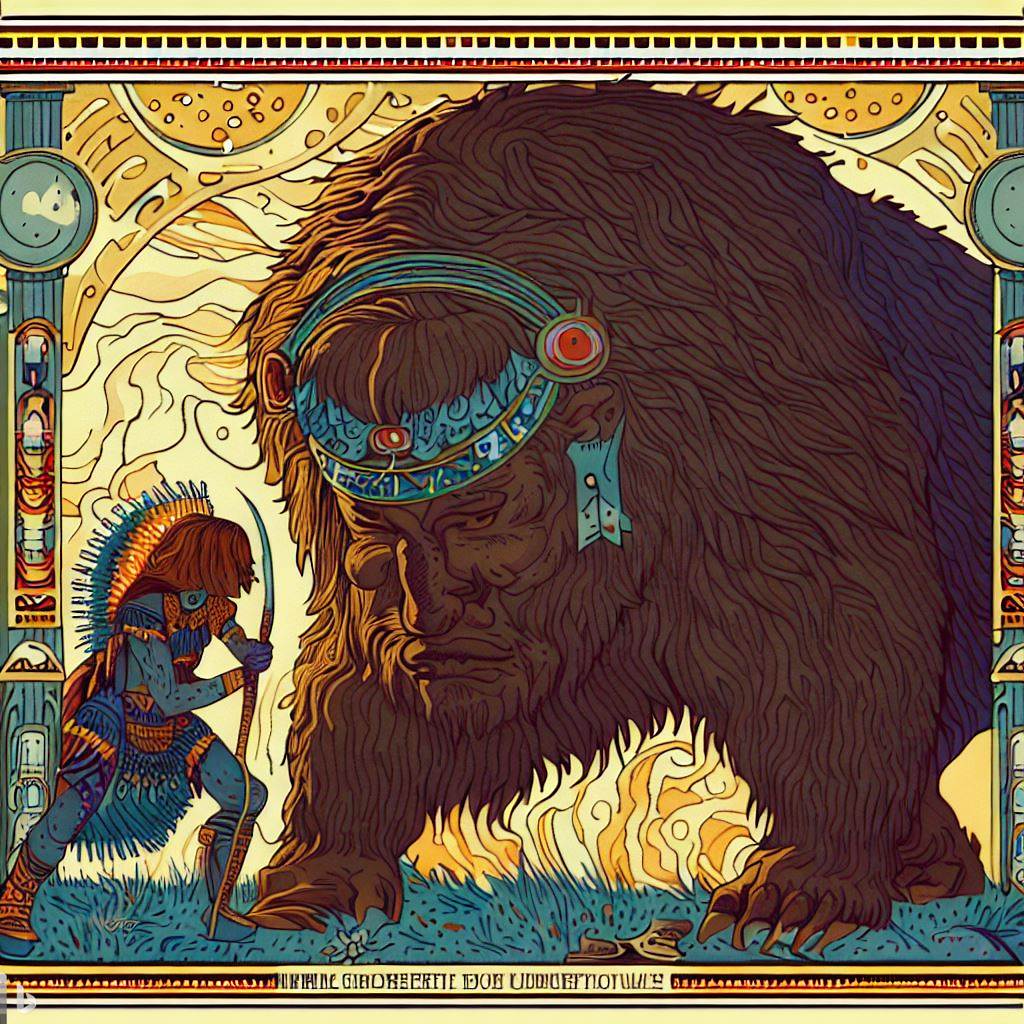
I've talked before about using AI for artwork in gamebooks and RPGs. It's a good fallback for game designers who have no art budget. The snag is, people lose their shit when you so much as mention it. I've hired human artists whenever possible -- most recently Inigo Hartas for my Jewelspider roleplaying game. Of course you get a better result that way, but most independently published books don't even make enough to pay the author's phone bill. The option is often either AI art or no art -- or else public domain art like the William Harvey illustrations I used in the new print edition of Once Upon A Time In Arabia. Nobody was happy with those. (You can get a copy with Russ Nicholson's artwork on DriveThruRPG.) Another option is to use AI to enhance the writer's own sketches, which may be the best way to get the authentic imagery that the writer had in mind.
In any case, I'd like to see The Last Screenwriter because this is the future and we may as well start getting to grips with it. Smashing the looms never works.