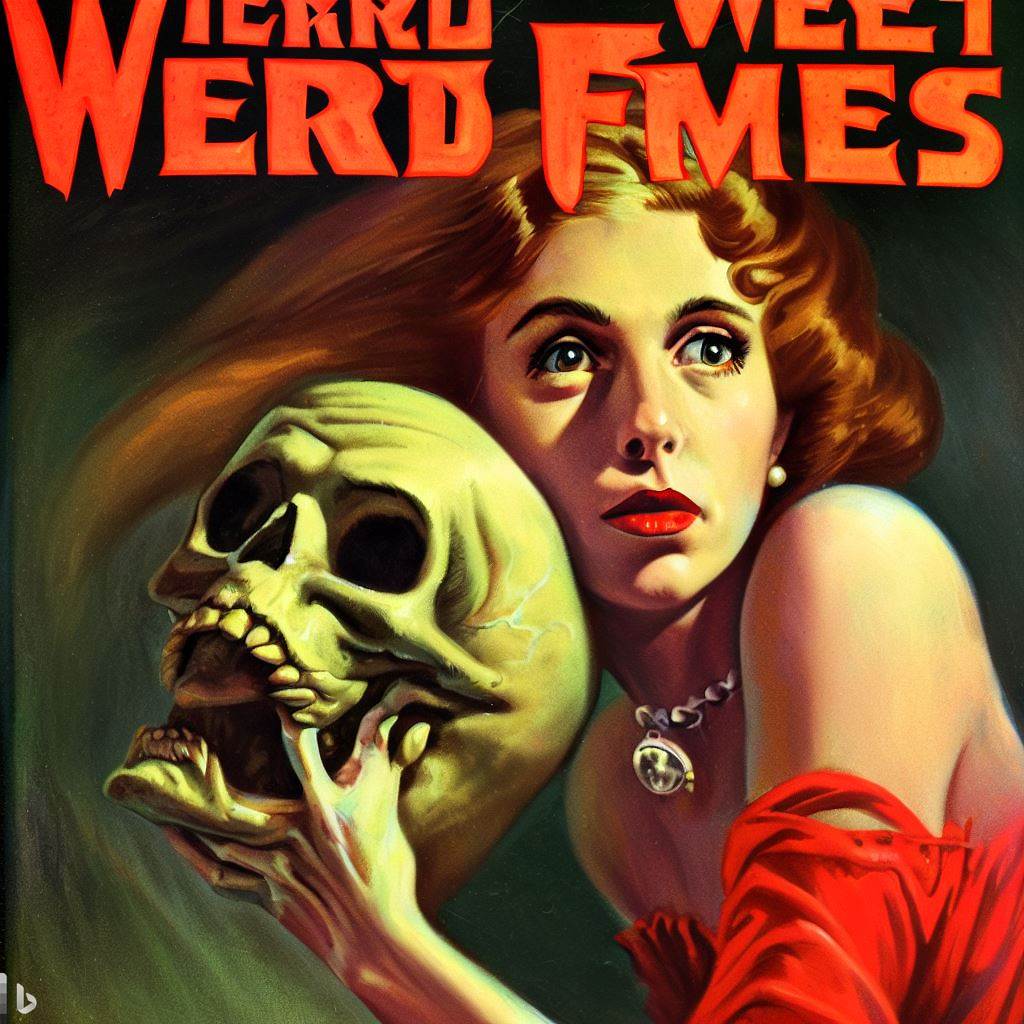
‘People whose minds are—like [Arthur] Machen’s—steeped in the orthodox myths of religion, naturally find a poignant fascination in the conception of things which religion brands with outlawry and horror. Such people take the artificial and obsolete concept of “sin” seriously, and find it full of dark allurement. On the other hand, people like myself, with a realistic and scientific point of view, see no charm or mystery whatever in things banned by religious mythology. We recognise the primitiveness and meaninglessness of the religious attitude, and in consequence find no element of attractive defiance or significant escape in those things which happen to contravene it. The whole idea of “sin”, with its overtones of unholy fascination, is in 1932 simply a curiosity of intellectual history. The filth and perversion which to Machen’s obsoletely orthodox mind meant profound defiances of the universe’s foundations, mean to us only a rather prosaic and unfortunate species of organic maladjustment—no more frightful, and no more interesting, than a headache, a fit of colic, or an ulcer on the big toe. Now that the veil of mystery and the hokum of spiritual significance have been stripped away from such things, they are no longer adequate motivations for [fantasy or horror fiction]. We are obliged to hunt up other symbols of imaginative escape—hence the vogue of interplanetary, dimensional, and other themes whose element of remoteness and mystery has not yet been destroyed by advancing knowledge.’
We're almost a hundred years on from when H P Lovecraft wrote that and still plenty of humans imagine the universe being ruled over by a stern parent with a set of rules and punishments for naughty children to fret about -- and no two groups can quite agree on what the stern parent's rules are. It's pretty much the textbook study in how children grow up emotionally troubled. At this point I just hope we don't infect the AGIs of the future with our ape-brained notions.
HPL was a tireless champion for the sense of wonder. He was simply opposed to the category error that puts the numinous in the same box as objective reality. This is from the introductory paragraphs of 'Supernatural Horror in Literature':
'Relatively few are free enough from the spell of the daily routine to respond to rappings from outside, and tales of ordinary feelings and events, or of common sentimental distortions of such feelings and events, will always take first place in the taste of the majority; rightly, perhaps, since of course these ordinary matters make up the greater part of human experience. But the sensitive are always with us, and sometimes a curious streak of fancy invades an obscure corner of the very hardest head; so that no amount of rationalisation, reform, or Freudian analysis can quite annul the thrill of the chimney-corner whisper or the lonely wood. There is here involved a psychological pattern or tradition as real and as deeply grounded in mental experience as any other pattern or tradition of mankind; coeval with the religious feeling and closely related to many aspects of it.'
If that's the kind of fiction that sets up a stirring in your soul, you might like some of the offerings in Wrong magazine: stories that take the reader over the boundary into a place where everyday reality meets the inexplicable. Cue the music.
* * *
(While we're on the subject of Lovecraftian horrors -- if you missed the funding campaign on Gamefound for Whispers Beyond The Stars, there's now the opportunity to secure a copy with a late pledge. But don't dilly-dally. I can't guarantee there'll be a third chance.)